 blog
How to Understand Weekly Pool Maintenance Pricing in 2026
Last Updated: November 15, 2026
Quick Summary
Weekly pool maintenance pricing in 2026 is built from three variables: pool size and volume, debris load, and labor per visit. Plans are formulas, not flat rates, so always compare quotes by line item and convert per-visit and per-month pricing to the same unit before deciding.
- Ask each provider for the gallon count used in your quote, in writing.
- Confirm whether chemicals are included, capped, or billed separately at unit price.
- Expect green-to-clean recoveries, filter media, and repairs to be billed separately.
- Compare quotes on the annual all-in figure, not the monthly base fee.
- Ask how the plan handles summer chemical peaks and post-storm debris.
Table of Contents
- What Drives Weekly Pool Maintenance Pricing in 2026
- What Does Weekly Pool Service Include?
- Weekly vs. Biweekly Pool Service: Which Plan Fits Your Pool?
- Pool Service Quote Comparison: How to Read a Weekly Plan
- Pool Maintenance Cost per Month: Budgeting for the Year
- Regional and Seasonal Price Differences in Central Florida
- Request a Quote from Clear Water Pools
- Frequently Asked Questions
What Drives Weekly Pool Maintenance Pricing in 2026
Weekly pool maintenance pricing in 2026 comes down to three variables: how much water you're treating, how much debris your pool collects, and how much labor each visit demands. Weekly plans are built around those factors rather than a flat rate. Most homeowners are surprised to learn that two pools of identical size can carry very different weekly costs once you account for screen enclosure coverage, surrounding landscaping, and bather load.
Here's the part most guides get wrong: they quote a single number and move on. Real pricing is a formula, and once you understand the inputs, you can read any quote with confidence.
Pool Size, Volume, and Surface Material
Pool size is the first lever. A larger surface area means more skimming, more brushing, and more chemical volume to hold water chemistry in range. Volume, measured in gallons, determines how much chlorine and balancing product each visit requires. Surface material matters too: a plaster finish and a pebble finish respond differently to brushing and chemical demand, and vinyl liners need gentler handling.
A common mistake is comparing quotes without confirming the gallon count each provider used. Ask for it in writing.
Cleaning Frequency and Labor
Cleaning frequency and labor drive the rest of the price. A weekly visit includes travel time, on-site work, and chemical dosing, and labor is the largest line item in any service plan. Pools under heavy tree cover or near construction need longer visits. Vacation rentals with high turnover often need extra attention between guest stays, which is why property managers should flag occupancy patterns when requesting a quote.
CDC guidance on healthy swimming and pool water quality is a useful reference for understanding why consistent chemical testing matters between visits.
What Does Weekly Pool Service Include?
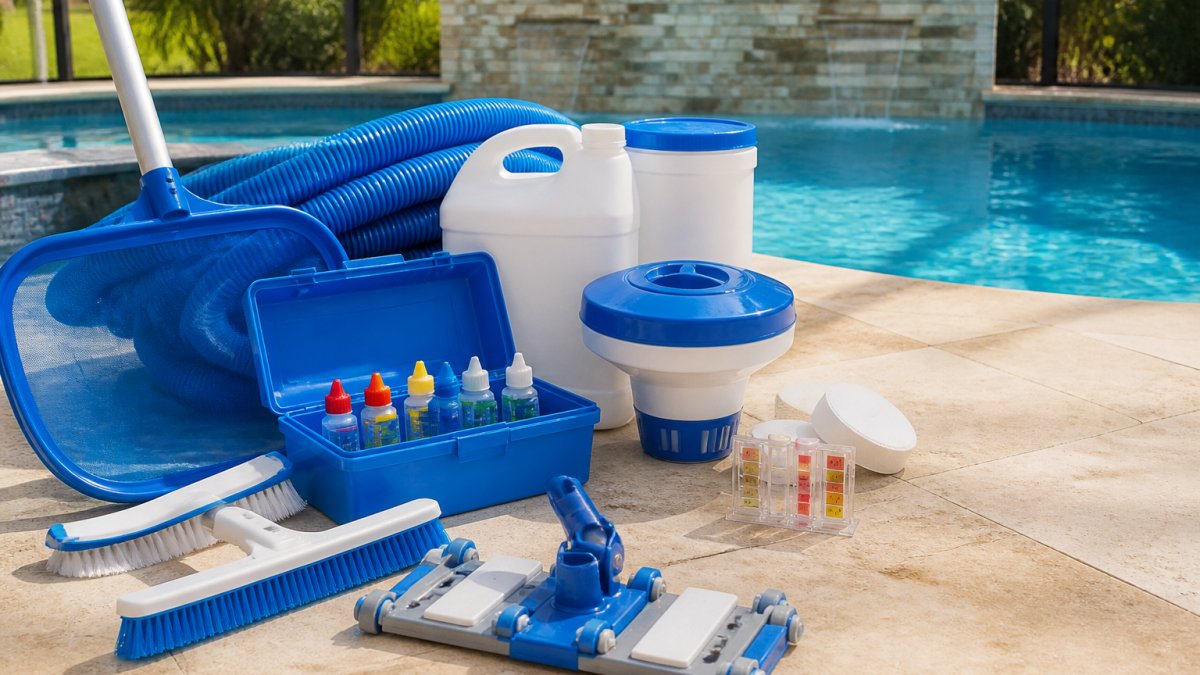
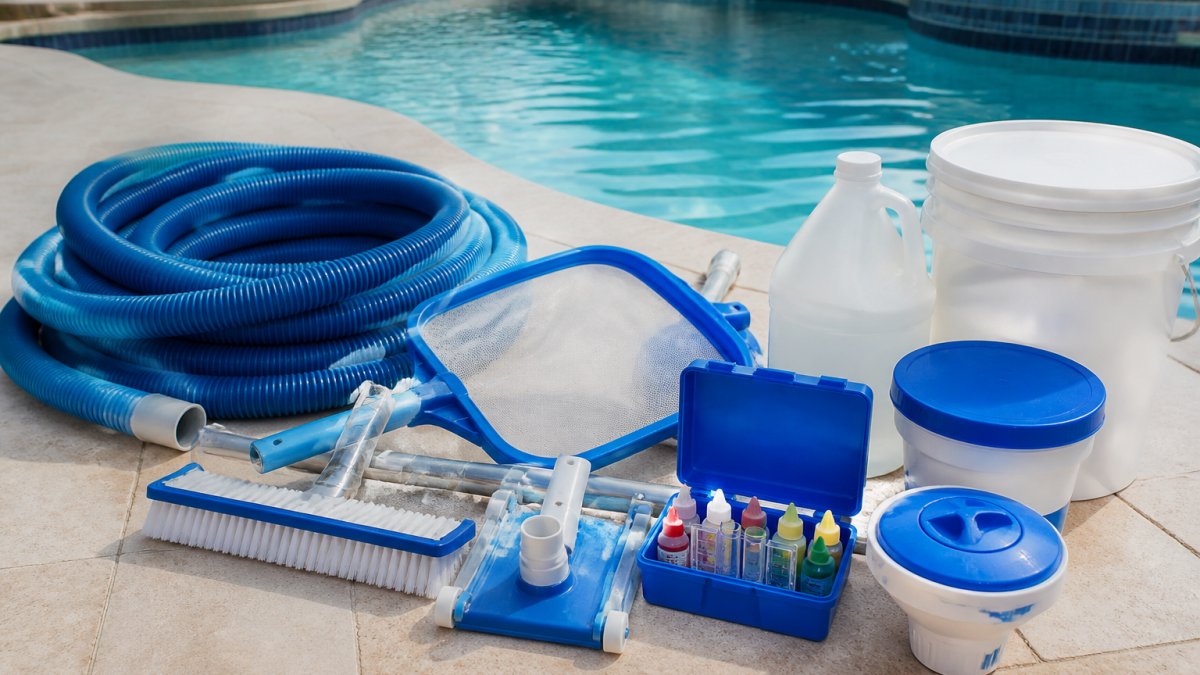
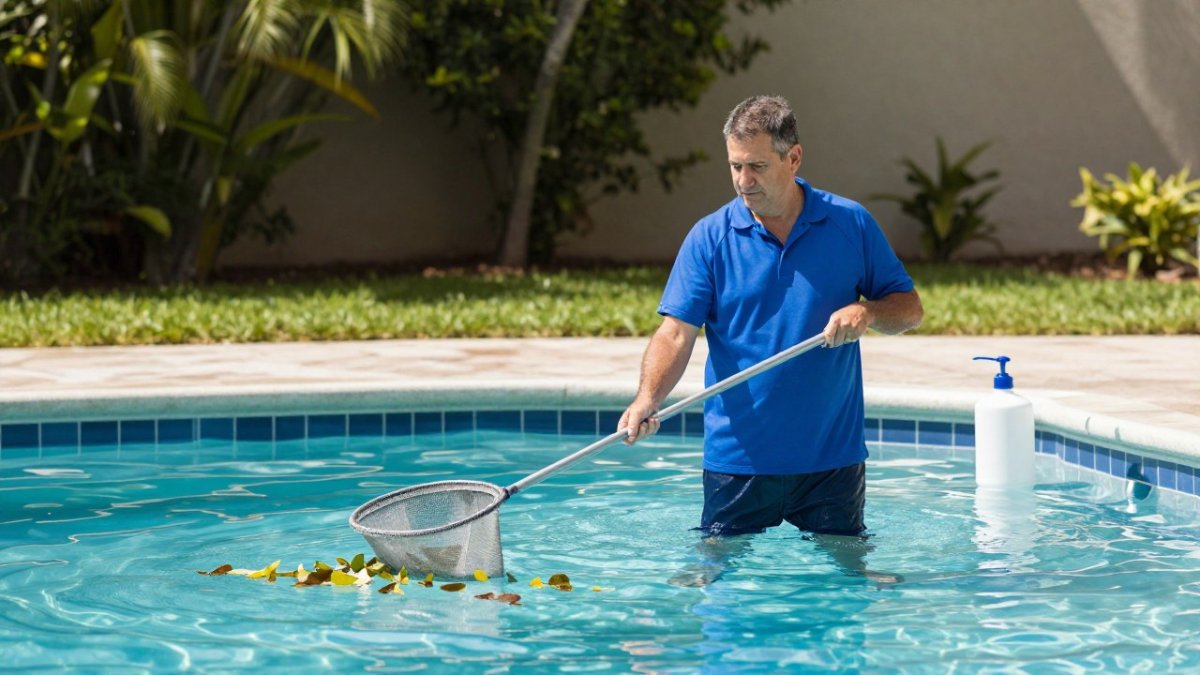
Weekly pool service typically includes skimming, brushing walls and steps, vacuuming, emptying skimmer and pump baskets, testing and balancing water chemistry, and a visual equipment inspection. A full-service plan documents each visit so you know exactly what was done. But the phrase "full service" is where quotes diverge, so the useful question is not whether a plan includes these tasks, most do, but how each task is priced and what sits outside the base fee.
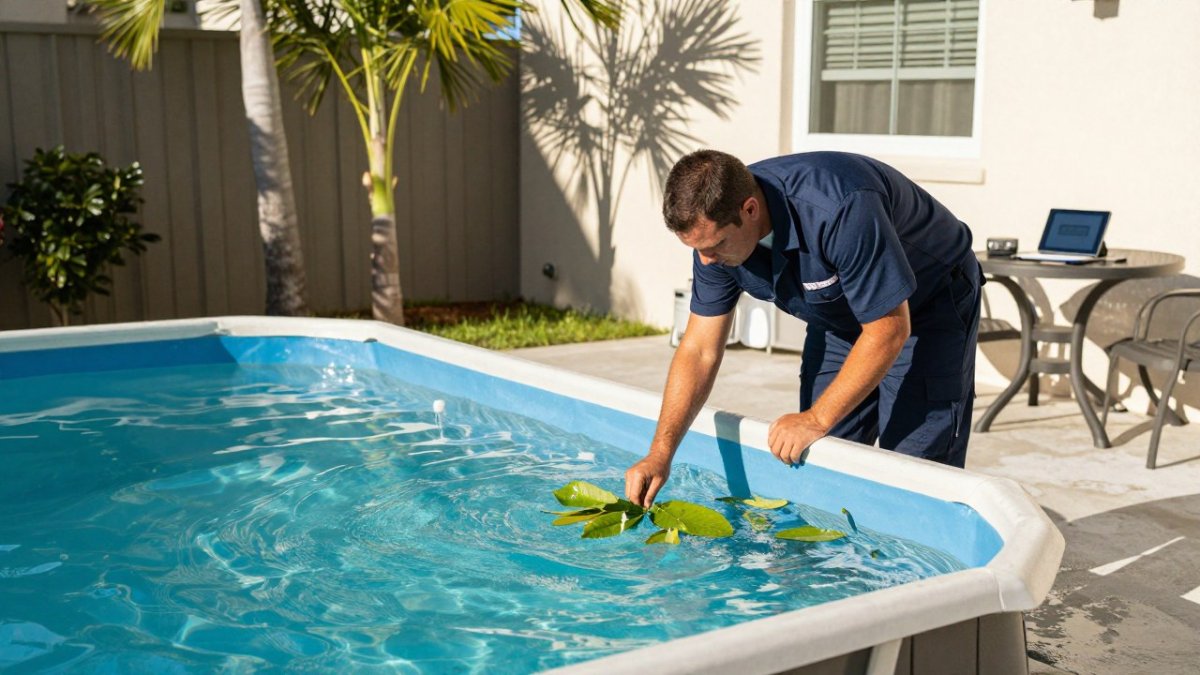
The Standard Weekly Visit, Task by Task
A weekly visit includes on-site work and travel time. Here is how the work usually breaks down and where cost hides:
| Task | What It Involves | Usually Included in Base Fee? | Common Add-On Charge |
|---|---|---|---|
| Surface skimming | Netting leaves, insects, and floating debris | Yes | None |
| Brushing | Walls, steps, and waterline tile to disrupt algae | Yes | Waterline tile detail sometimes extra |
| Vacuuming | Manual or automatic vacuum of settled debris | Yes on most plans | Heavy-debris vacuuming after storms often extra |
| Basket cleaning | Skimmer and pump baskets emptied and rinsed | Yes | None |
| Chemical testing | Chlorine, pH, alkalinity, stabilizer, and sometimes calcium | Yes | Full panel testing sometimes extra |
| Chemical balancing | Dosing to bring readings into range | Often partial, see below | Chlorine, acid, and shock frequently billed separately |
| Filter cleaning | Backwash or cartridge rinse | Sometimes, often monthly or quarterly | Cartridge deep clean commonly extra |
| Equipment inspection | Visual check of pump, filter, heater, and valves | Yes | Diagnostic visits for repairs extra |
Chemicals: The Biggest Inclusion Variable
Chemicals are often the line item that most affects the total cost of a plan. Some providers include a chemical allowance in the base fee and bill overages; others include nothing and invoice every gallon of chlorine and every bag of shock.
A common pattern is a base fee that covers labor and testing, with chemicals billed at cost plus a markup, or a capped chemical allowance (for example, a set dollar amount per month) with overages invoiced.
Watch out: a quote that lists "chemicals additional" without a monthly cap can drift well past the base rate during hot months. Ask for a written range based on last season's invoices for a pool your size.
What Is Almost Always Billed Separately
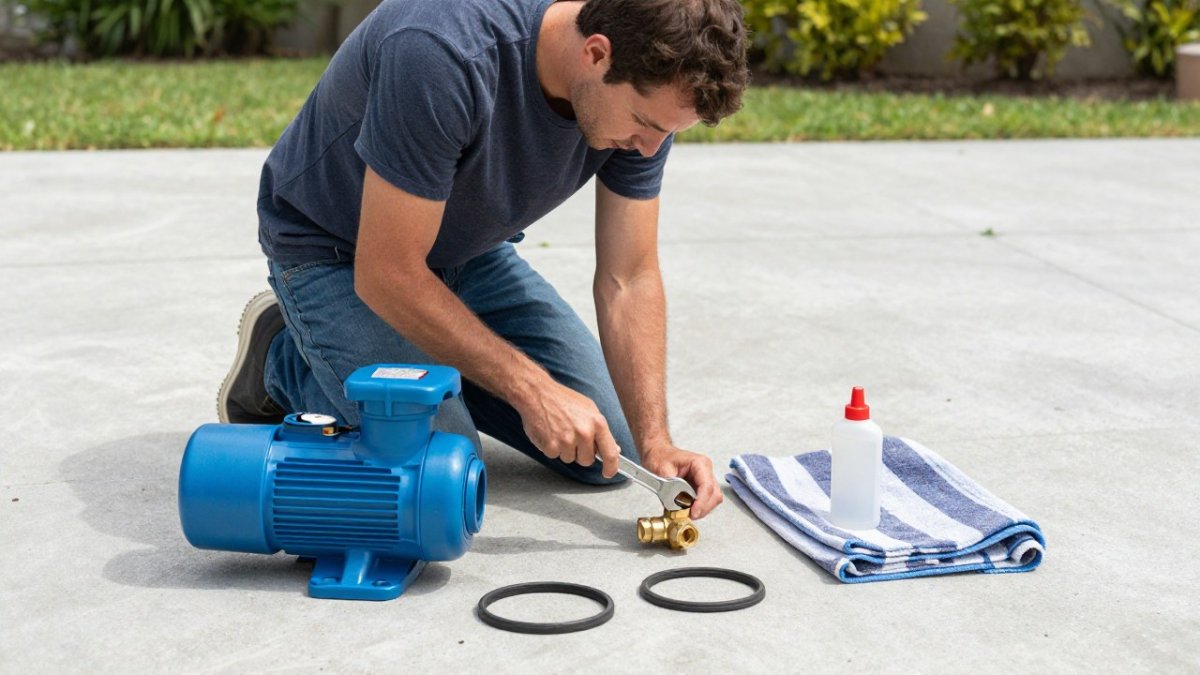
Even full-service plans typically exclude major corrective work. Expect separate charges for green-to-clean recoveries, algae treatments beyond routine shocking, filter media replacement (cartridges or DE), pump and heater repairs, acid washing, tile cleaning, and post-storm debris removal. None of these are unreasonable exclusions, they are variable, sometimes large jobs, but they belong in your annual budget, not in the base weekly fee.
Why Documentation Changes the Value Equation
Two plans can include the same task list and still deliver different value depending on reporting. A plan that logs water readings, chemical doses, and photos each visit gives you a record to compare against the invoice and a baseline for spotting drift between visits. CDC guidance on healthy swimming and pool water quality is a useful reference for understanding why consistent chemical testing matters between visits. If you want to see exactly how a recurring plan is structured, you can review our weekly pool cleaning service and request a quote for your property.
Weekly vs. Biweekly Pool Service: Which Plan Fits Your Pool?
Weekly service is the recurring schedule Clear Water Pools provides for residential, rental, and commercial pools.
Vacation rentals and community pools benefit from a recurring weekly schedule for guest-ready water quality.
Pool Service Quote Comparison: How to Read a Weekly Plan
Comparing pool service quotes means comparing line items, not totals. Two plans can look identical on price while covering very different work. Read each quote for these five elements:
| What to Check | Why It Matters | Red Flag |
|---|---|---|
| Visit frequency | Sets the baseline labor cost | Vague "as needed" scheduling |
| Included chemicals | Chemicals are a major variable cost | "Chemicals extra" with no cap |
| Documented reporting | Proves the work was done | No photos or water readings |
| Equipment inspection | Catches failures early | Visual check only, no notes |
| Contract terms | Governs cancellation and rate changes | Long lock-ins, unclear exit terms |
Watch out: a quote that lists "chemicals additional" without a monthly cap can drift well past the base rate during hot months. Ask for a written range.
Before you sign, it helps to know what to expect from professional pool service and the signs a technician is skipping steps. Both give you a checklist to hold any provider to, including us.
Pool Maintenance Cost per Month: Budgeting for the Year
A realistic annual maintenance budget combines recurring service, chemical allowances, and a reserve for repairs. Monthly billing smooths the recurring portion; the reserve covers the surprises. The trap most homeowners fall into is comparing a per-visit quote to a monthly quote without converting both to the same unit. Do that first, then build the annual number.
Per-Visit vs. Per-Month: Convert Before You Compare
Weekly plans may be quoted either per visit or per month, and pricing depends on the specifics of each quote. Clear Water Pools can provide current pricing through a quote.
When you compare, normalize to a monthly figure that includes the chemical allowance and any recurring add-ons (filter cleaning, for example). That is the number that hits your bank account.
A Monthly Budget Framework
Most residential weekly plans break into four buckets. Your quote will vary with pool size, debris load, and chemical inclusion.
- Recurring service: the weekly plan fee, billed monthly. This is the largest and most predictable line.
- Chemical allowance: the variable portion. Chlorine demand rises with heat, bather load, and rain dilution, so this line is higher in summer and lower in winter.
- Recurring add-ons: filter cleaning, waterline tile detail, or other tasks billed on a set schedule rather than every visit.
- Repair reserve: a set-aside for pump, filter, or heater work, so a mid-season repair does not land as a surprise.
How the Seasons Move the Number
Seasonal swings matter more than most guides admit. In hot, rainy summers, chlorine demand rises and rain dilutes chemistry, so chemical use climbs from late spring through early fall. Winter months typically run lighter on chemicals but may still require weekly visits to keep water from going green during occasional warm spells. If your provider quotes a flat monthly rate year-round, ask how they handle the summer chemical peak, a flat rate usually means the summer cost is baked into every month, which is fine as long as you know it.
A second seasonal factor is debris load. Pools under heavy tree cover or near construction see spikes after storms and in leaf-drop season. Ask whether the plan includes a post-storm visit or bills it as a one-time cleaning.
The Annual View
Multiply the monthly figure by 12, then add the one-time items that do not recur monthly: spring opening, post-storm cleanups, and any corrective treatments. That annual total, not the monthly base fee, is the number to compare across providers. It is also the number to revisit each year, because chemical prices and labor rates move, and a quote that was competitive last season may not be this season.
Watch out: a low monthly base fee paired with uncapped chemical billing can produce an annual total well above a higher base fee with an included allowance. Always compare the annual, all-in figure.
Regional and Seasonal Price Differences in Central Florida
Local market conditions can influence pricing across Central Florida, including labor, travel between properties, and seasonal demand.
For a concrete look at how these factors land on a real invoice, you can check pool service costs in Florida. If you're in the Davenport area, our local pool service covers year-round homes, rentals, and managed properties with the same documented approach.
Ask any provider how their plan handles a heavy rainy season or a post-storm debris load.
Request a Quote from Clear Water Pools
The fastest way to understand your actual weekly cost is a personalized estimate based on your pool's size, volume, surface, and surroundings. Clear Water Pools provides recurring weekly cleaning, expert equipment repair, and digital service reports with photos and water readings, so every visit is documented. Our team is fully licensed and insured, and we flag equipment or water concerns when we identify them. We serve residential homeowners, vacation rental managers, and commercial properties across Central Florida.
Get started with Clear Water Pools and get a clear, itemized weekly plan built around your pool.
Pricing transparency starts with asking better questions. Bring the five-point checklist above to every quote you request, and you'll spot the difference between a plan that protects your water and one that just shows up.
Frequently Asked Questions
How much does weekly pool maintenance cost?
Weekly pool maintenance pricing in 2026 depends on pool size, service frequency, chemical needs, and your local market. A full-service plan that includes skimming, brushing, vacuuming, basket cleaning, chemical testing, and equipment checks typically costs more than a basic cleaning-only visit. Because rates vary by provider and property, request a personalized quote from Clear Water Pools so the price reflects your pool's actual volume and condition rather than a generic estimate.
Are chemicals included in weekly pool maintenance pricing?
Some providers bundle standard chemicals into the weekly rate, while others charge for chlorine, shock, and balancing products separately. Ask for an itemized quote that lists what is included and what triggers an additional charge, such as algae treatments or filter cleanings. Clear Water Pools documents water readings and chemical use in digital service reports so you can see exactly what was applied at each visit.
Is weekly or biweekly pool service better for my pool?
Clear Water Pools provides weekly service for residential and vacation rental pools. Request a quote to discuss the service that fits your pool.
What factors affect the price of weekly pool service?
Pool size and volume in gallons, surface material, debris load, screen enclosure condition, equipment age, and access to the pool all influence labor time and chemical use. Ask how the quote accounts for these variables and whether the rate is locked for the season.