 how-to
8 Things to Expect From Professional Pool Service
Last Updated: October 26, 2026
Quick Summary
A professional pool service visit covers surface cleaning, a full water test, chemical adjustment, and an equipment check. Skimming, brushing, and vacuuming happen on every routine visit, not just when the pool looks bad. Each visit ends with a written service report noting readings, chemicals added, and any recommended repairs.
- Technicians skim before brushing and brush before vacuuming so the filter captures loosened debris.
- Water is tested on site for pH, total alkalinity, sanitizer, and stabilizer every visit.
- Filter pressure is compared to the clean-start baseline to trigger backwashing or a filter clean.
- Routine plans exclude parts, equipment repair labor, and heavy stain or scale removal.
- Clear the deck and unlock the gate before the technician arrives to save time.
Table of Contents
- What Does Pool Service Include on a Standard Visit
- A Step-by-Step Walkthrough of a Typical Service Visit
- Professional Pool Water Testing and What the Readings Mean
- Your Pool Service Visit Checklist: Equipment, Tile, and Repairs
- What Homeowners Should Do Before and After a Visit
- How to Verify Service Quality and Read Your Service Report
- Questions to Ask a Pool Service Company Before You Sign
- Service Scope, Exclusions, and Extra Charges Explained
- Frequently Asked Questions
What Does Pool Service Include on a Standard Visit
Most homeowners picture professional pool service as a truck pulling up, a quick net sweep, and a cloud of chemicals. That is not what professional pool service looks like when it is done right.
The short answer to what does pool service include: a standard visit covers surface cleaning, a full water test, chemical adjustment, and an equipment check. To see the actual weekly pool cleaning service and request a quote, visit our service page. Each step matters.
Cleaning Tasks: Skimming, Brushing, and Vacuuming
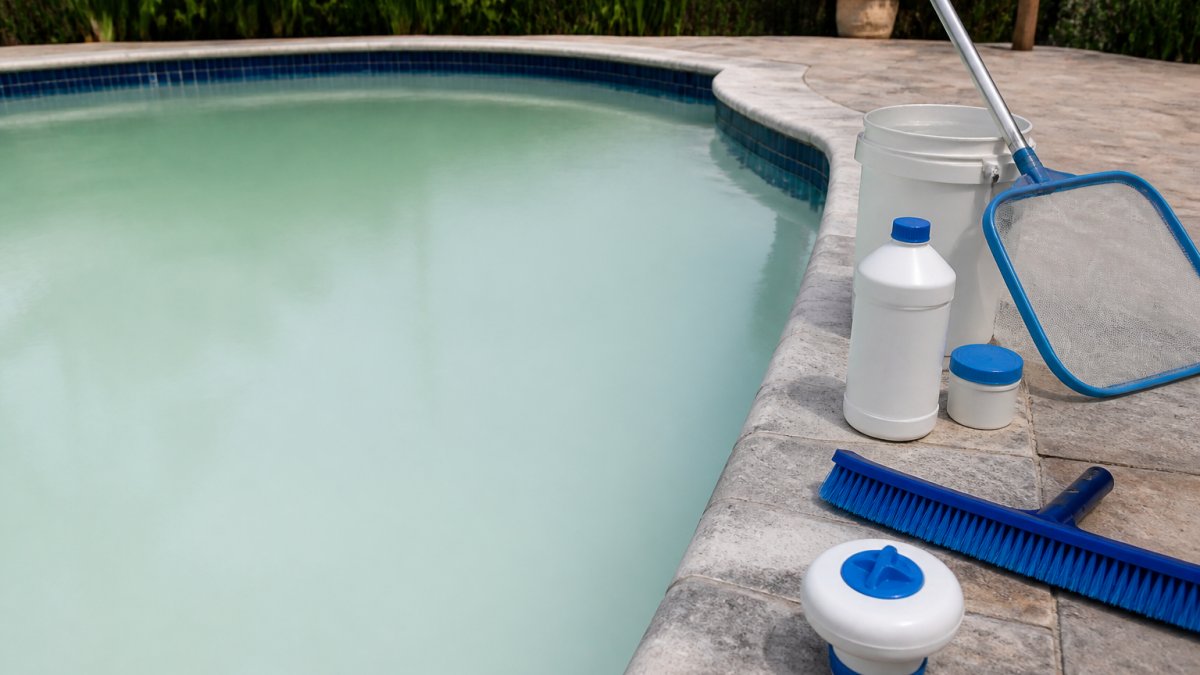
Skimming removes leaves, insects, and floating debris before they sink and decay. Brushing loosens algae film from walls, steps, and corners so the filter can capture it. Vacuuming pulls settled dirt from the floor. All three happen on a routine visit, not just when the pool looks bad.
Water Testing and Chemical Adjustment
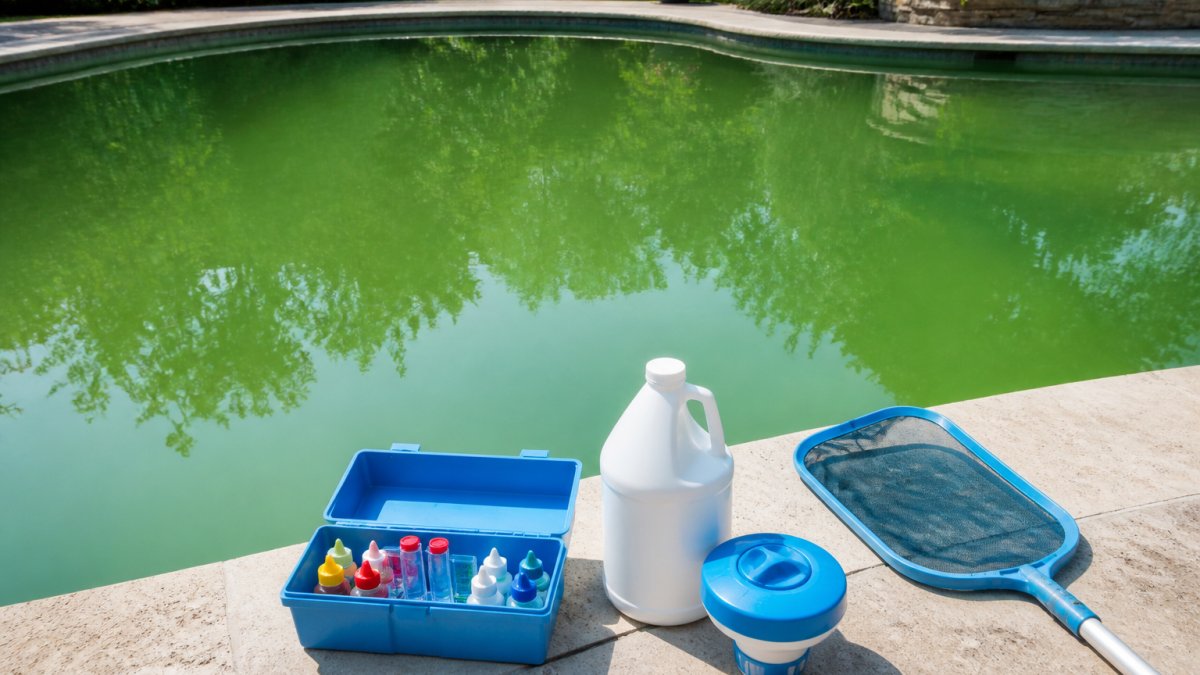
A technician tests the water on site and adjusts chemicals based on the readings. This is the part most homeowners underestimate. Clear water is not the same as balanced water, and a pool can look perfect while sitting at the wrong pH.
A Step-by-Step Walkthrough of a Typical Service Visit
Here is the honest version of what happens between arrival and departure. No two pools are identical, but the sequence stays consistent because each step sets up the next.
- Arrival and visual check (2-5 minutes). The technician scans the pool, deck, and equipment pad before touching anything. This is where they note water clarity, visible algae, debris load, water level, and anything unusual like a torn liner or a leaking fitting. The visual check sets the plan for the rest of the visit.
- Skimming (5-10 minutes). Surface debris comes out first with a hand net or surface skimmer. Removing leaves and insects before brushing keeps them from sinking and decaying, which consumes sanitizer. The technician also empties the skimmer baskets at the pool edge.
- Brushing (5-10 minutes). Walls, steps, corners, and the waterline get scrubbed with a nylon or stainless brush matched to the surface. Brushing loosens algae film and biofilm so the filter can capture it and so sanitizer can reach the surface. Vinyl and fiberglass pools use softer brushes; plaster and concrete tolerate stiffer bristles.
- Vacuuming (5-15 minutes). The floor gets cleaned where debris has settled, either with a manual vacuum head on the suction line or with an automatic cleaner the technician checks and empties. Heavy silt may require a second pass or a clarifier dose.
- Water testing (3-5 minutes). pH, total alkalinity, free chlorine or alternative sanitizer, and stabilizer (cyanuric acid) get measured on site with a test kit or digital meter. Calcium hardness and salt level are checked on a rotating basis or when symptoms suggest a problem.
- Chemical adjustment (2-5 minutes). The technician doses the pool based on the readings, pre-dissolving or broadcasting granular products as the label requires and never mixing incompatible chemicals. Adjustments are recorded so the next visit starts from a known baseline.
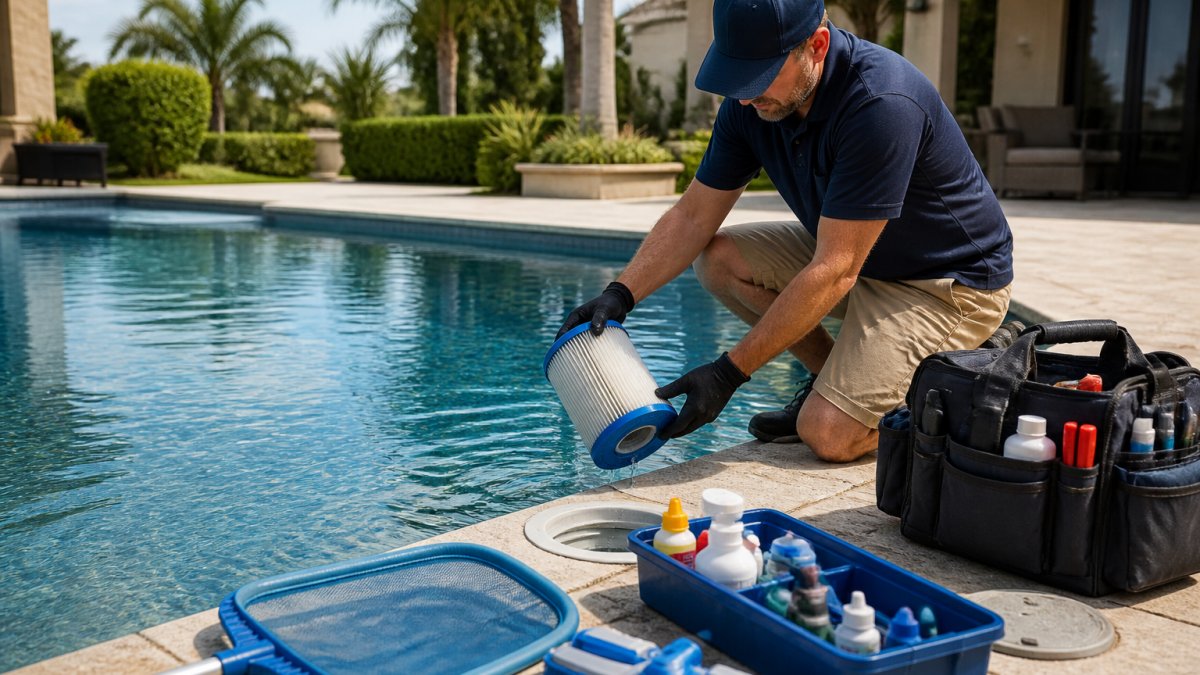
- Equipment check (3-5 minutes). Pump, filter, heater, salt cell, and skimmer baskets get inspected. Filter pressure is compared to the clean-start baseline; a rise over baseline is a common trigger for backwashing or a filter clean. Unusual noise, leaks, or error codes are noted.
- Report and notes (1-2 minutes). Findings, readings, chemicals added, and any recommended repairs are logged in the service report, often with photos. The report is the homeowner's record and the technician's handoff to the next visit.
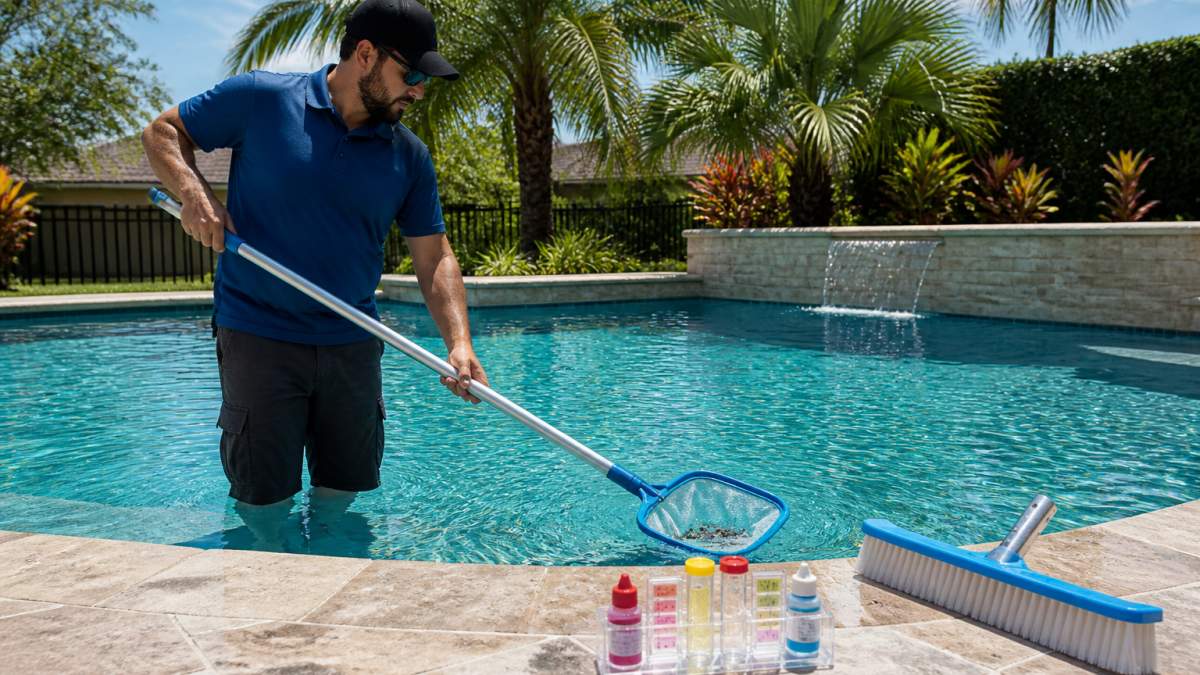
Variations homeowners should expect: after a storm, skimming and vacuuming expand and the technician may recommend a one-time debris removal charge. During opening or closing season, the visit includes equipment start-up or winterization steps that are not part of a routine weekly call. Salt pools get a salt-cell inspection and stabilizer check; heated pools get a heater and pressure-switch check. None of these change the core sequence, but they change how long each step takes.
Professional Pool Water Testing and What the Readings Mean
Professional pool water testing is the practice of measuring pH, total alkalinity, and sanitizer levels on every visit, then adjusting chemicals to keep the water balanced and safe. It is the single most important part of any maintenance plan, because chemistry drives clarity, comfort, and equipment life.
pH, Total Alkalinity, and Sanitizer Levels
pH measures how acidic or basic the water is (the EPA). Total alkalinity acts as a buffer that keeps pH steady. Sanitizer levels show how much chlorine or alternative sanitizer is actively working. When any one of these drifts, the others tend to follow.
A common mistake is chasing a cloudy pool with extra chlorine. If alkalinity is off, the chlorine cannot do its job well. Fix the balance first.
Your Pool Service Visit Checklist: Equipment, Tile, and Repairs
What separates a thorough visit from a rushed one comes down to the details. A good pool service visit checklist covers more than the water.
- Skimmer and pump baskets emptied
- Filter pressure checked
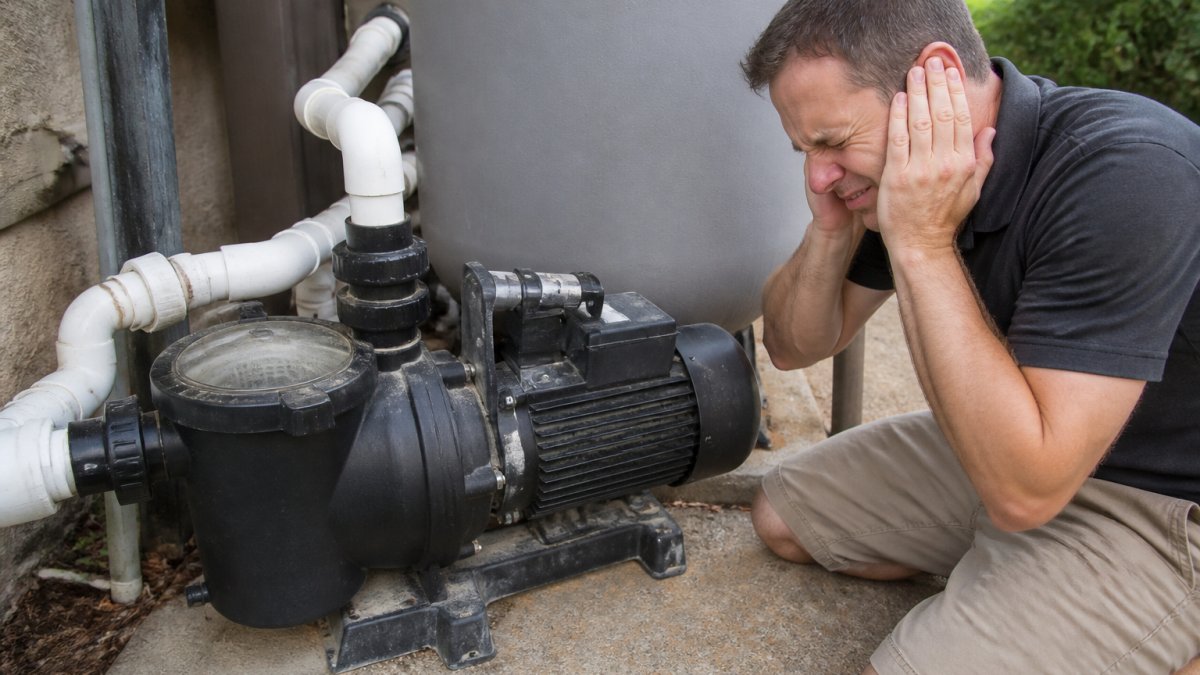
- Pump inspected for noise or leaks
- Tile and grout at the waterline scrubbed
- Salt cell or heater checked where applicable
- Water readings logged with photos
- Any repair needs noted for the owner
Tile and grout cleaning gets skipped by plenty of providers. Scale and algae build up along the waterline fast, and once it hardens, it takes more than a brush to remove.
If your checklist turns up an equipment problem, our team can find the problem and restore the flow with a repair assessment.
What Homeowners Should Do Before and After a Visit
Before the technician arrives, clear the deck of toys, furniture, and anything blocking access to the equipment pad. Make sure pets are inside and the gate is unlocked.
After a visit, give the chemicals time to circulate before swimming. A common rule is to wait until the water has cycled through the filter, which usually means a few hours.
Watch out: never add your own chemicals right after a service call. Mixing products can create dangerous reactions (the CDC). Let the treated water circulate first.
How to Verify Service Quality and Read Your Service Report
Trust matters more than most homeowners admit. Plenty of people have paid for weekly service and never knew whether the work actually happened.
A proper service report shows water readings, tasks completed, and photos of the pool. Compare the readings week to week. If pH and sanitizer numbers barely change, that is usually a good sign of consistency. If they swing wildly, ask why.
You can also view our license documents to confirm a provider is legitimate before you sign anything.
Questions to Ask a Pool Service Company Before You Sign
Ask about frequency, what a standard visit covers, and what costs extra. Get the answers in writing. Vague answers now turn into surprise charges later.
Ask these directly:
- How often will you test the water?
- Do you provide written reports with photos?
- What happens if you find a broken pump or heater?
- Are there extra charges for tile cleaning or filter changes?
- How do you handle missed visits?
For a deeper look at choosing a provider, read our guide on reliable residential pool cleaning services.
Service Scope, Exclusions, and Extra Charges Explained
This is where most confusion starts. A maintenance plan covers routine cleaning and chemical balance. It usually does not cover major repairs, parts, or heavy stain removal.
What routine maintenance typically includes:
- Skimming, brushing, and vacuuming of the pool surface and floor
- Water testing and standard chemical adjustment (pH, alkalinity, sanitizer, stabilizer)
- Emptying skimmer and pump baskets
- Checking filter pressure and backwashing when needed
- Visual inspection of pump, filter, heater, and salt cell
- A written service report with readings and notes
What is usually billed separately:
- Replacement parts (filter cartridges, O-rings, baskets, valves, motors)
- Equipment repair and installation labor
- Green-to-clean or algae recovery treatments beyond routine dosing
- Heavy stain, scale, or calcium removal, including media blasting or acid washing
- Filter teardown and deep cleaning beyond a routine backwash
- Storm debris removal and extra vacuuming passes
- Opening and closing services, if not bundled into the plan
- Water replacement or draining for high total dissolved solids
Why the split exists. Routine visits are priced around predictable time and chemical use.
Ask any provider to spell out the line between routine maintenance and additional work. Clear scope means no surprise invoices. If you are weighing what recurring care includes in your area, you can check our pool service in Kissimmee for the local breakdown, or request a weekly cleaning quote to see a clear plan for your pool.
Best for: homeowners who want documented, recurring care without hidden fees. Skip if: you only need a one-time cleanup.
| Task | Covered in Standard Visit | Usually Extra |
|---|---|---|
| Skimming, brushing, vacuuming | Yes | No |
| Water testing and chemicals | Yes | No |
| Equipment inspection | Yes | No |
| Pump or heater repair | No | Yes |
| Heavy stain or scale removal | No | Yes |
| Filter deep clean or cartridge replacement | No | Yes |
| Storm debris removal | Sometimes | Often |
| Opening or closing service | Depends on plan | Often |
Frequently Asked Questions
What does a typical professional pool service include?
A standard weekly visit covers skimming debris, brushing walls and steps, vacuuming, cleaning the tile line, emptying baskets, testing and balancing the water, and inspecting the pump and filter. A professional pool service should also leave a written or digital report with chemical readings and photos. Deep cleaning, filter rebuilds, and equipment repairs usually fall outside the base visit and are quoted separately.
How often should a pool service technician visit?
Most residential pools in warm climates get weekly service, and that cadence keeps sanitizer levels steady between visits. Vacation rentals and community pools with heavy use may need twice-weekly service during peak season. Ask whether your provider adjusts frequency by season, since a pool that sits unused in cooler months still needs water balance checked even when cleaning demand drops.
Should a professional pool service test the water every visit?
Yes. Sanitizer levels fall continuously, so a reading taken last week tells you nothing about today. Professional pool water testing at each visit should cover free chlorine or the sanitizer in use, pH, total alkalinity, and stabilizer, with the results recorded in your service report. If your provider skips testing or reports the same numbers repeatedly, ask how the readings are taken.
How can I tell whether my pool service is doing a good job?
Check three things: water clarity between visits, a service report that changes week to week, and a tile line free of scale and algae. Walk the pool deck after a visit and look for debris in the skimmer baskets and clean brush marks on the walls. If equipment problems get flagged before they become failures, that is a strong sign the technician is actually inspecting rather than just dosing chemicals.
Consistent pool care is not about one perfect visit. It is about showing up every week with the same checklist and the same documentation. Clear Water Pools builds that routine into every plan, with digital service reports, proactive equipment checks, and responsive communication for homeowners and property managers alike. Get started with Clear Water Pools and keep your pool ready for family, guests, or residents all season.